

Akpabio Commends Senator Faduyile for Well-Researched Ebola Motion as Senate Seeks Emergency Funds, Mandatory Screening
By Kuye Babatunde
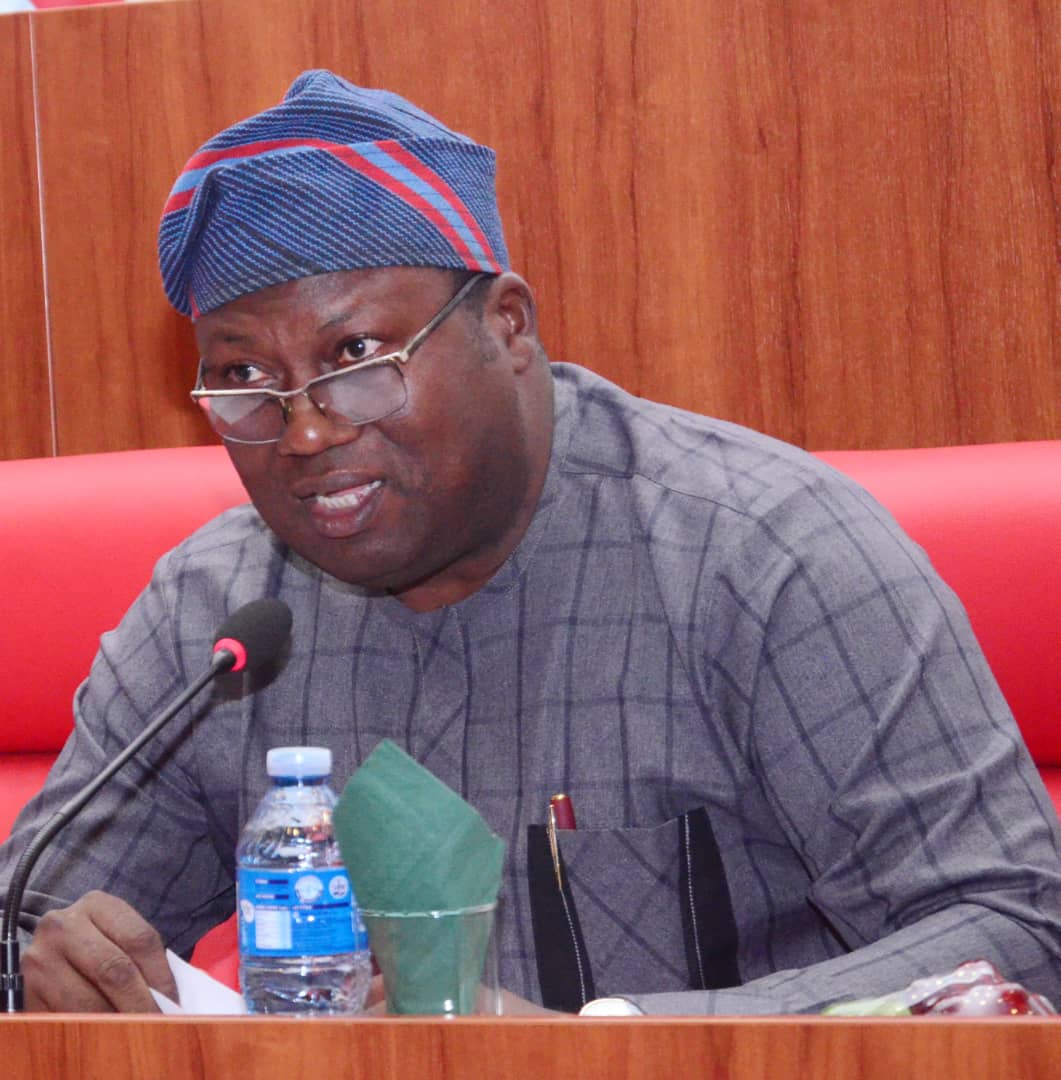
Senate President Godswill Akpabio has commended Senator Francis Faduyile, representing Ondo South Senatorial District, for presenting a well-researched and relevant motion on the Ebola virus threat, as the Nigerian Senate called for urgent measures to strengthen the country’s preparedness against the disease.
The commendation came during Wednesday’s plenary on October 21, 2026, following a motion sponsored by Faduyile on the urgent need to enforce mandatory health screening at Nigeria’s international airports, seaports and designated land borders to prevent the importation and spread of Ebola and other epidemic-prone diseases.
Faduyile, a professor of medicine and former President of the Nigerian Medical Association (NMA), raised concerns about the risk of Ebola entering Nigeria amid an outbreak of the Bundibugyo strain in the Democratic Republic of the Congo and its spread to other African countries.
In presenting the motion, the senator highlighted gaps in the country’s disease surveillance and border screening systems, stressing the need for a coordinated, proactive and adequately funded national response.
He proposed compulsory health declaration forms, temperature checks and symptom assessments for all arriving international passengers, regardless of nationality or country of departure. He also called for enhanced screening of travellers who had visited or transited through affected areas within the preceding 21 days.
Other recommendations included providing adequate numbers of trained Port Health officers, thermal scanners, personal protective equipment and isolation facilities at all international entry points, as well as ensuring the readiness of isolation and treatment centres across the 36 states and the Federal Capital Territory.
The motion further called for the modernisation of the Quarantine Act of 1926 to align Nigeria’s public health legislation with contemporary realities and the International Health Regulations.
Akpabio, while commending Faduyile’s initiative, expressed concern about the adequacy of screening arrangements at the country’s entry points and stressed the need for relevant agencies to act proactively to prevent a wider public health emergency.
The Senate President, however, opposed a proposal for lawmakers to physically visit the entry points, arguing that such visits could expose members to unnecessary health risks. The chamber subsequently rejected the proposed visits.
Following deliberations, the Senate urged the Federal Government to release emergency funds from the Service-Wide Vote to strengthen the capacity of the Nigeria Centre for Disease Control and Prevention (NCDC), Port Health Services and other relevant agencies to respond effectively to the Ebola threat.
The chamber also called for mandatory screening of all international arrivals, adequate equipment and personnel at entry points, and improved coordination among government agencies.
To ensure follow-up action, relevant Senate committees were mandated to engage the appropriate agencies and report back to the chamber within four weeks.
The development underscores the importance of legislative oversight, evidence-informed policymaking and early intervention in protecting public health, particularly as Nigeria continues to contend with other infectious diseases, including Lassa fever and cholera.
Faduyile’s motion has brought renewed attention to the need to strengthen Nigeria’s public health infrastructure, improve disease surveillance and ensure that relevant agencies have the resources required to prevent and contain potential outbreaks.
